An Army of AI Interns
I’ve been working on Serve The Team for a few years now, on and off, as a passion project outside of work. It’s a free leadership coaching tool that’s designed to help leaders of every level practice and develop their skills, and if that sounds like something you’d be interested in then you should absolutely go and sign up for free at servetheteam.com. (And then come back and keep reading this!)
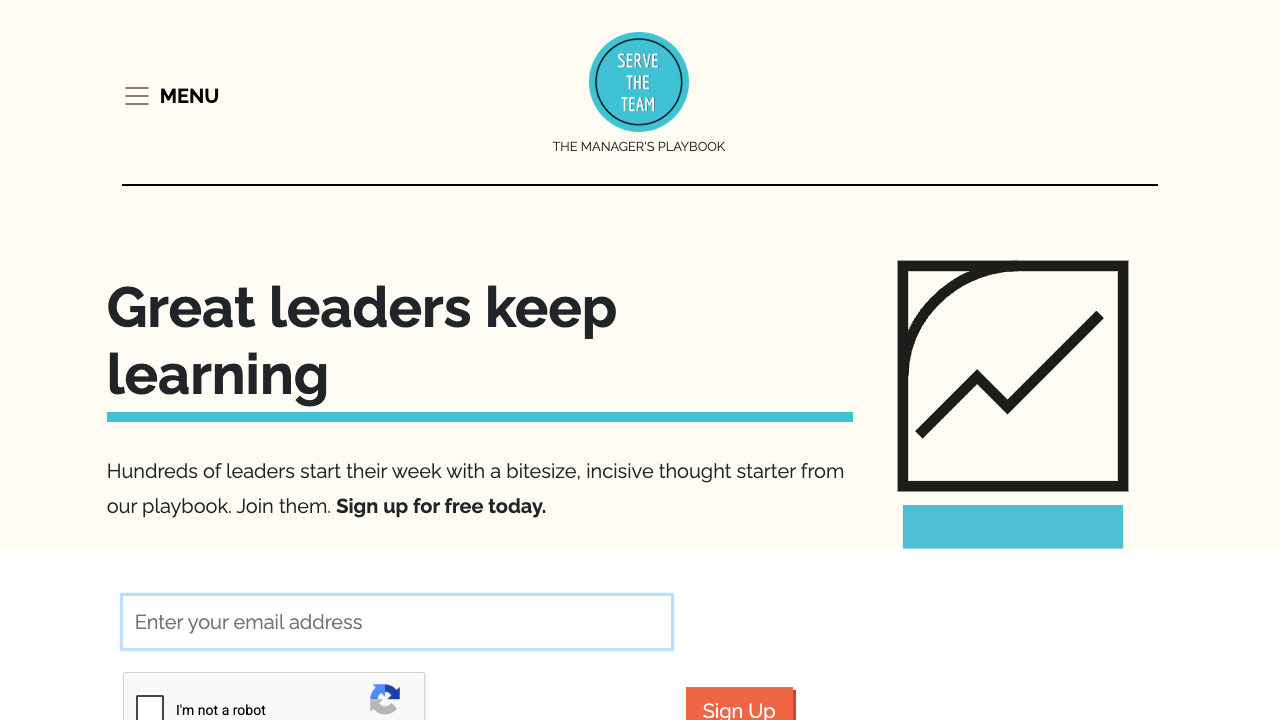
Serve The Team’s sign-up page before I started working with Claude
I’ve found there are three big challenges with working on a side project like this. Time is one, obviously, as any work has to fit in around a demanding job and making sure I have a meaningful family and personal life. The second is skill: I am confident in my ability to write the content, and I’m still a somewhat competent software developer, but I haven’t been a salaried software engineer for over 15 years, and I’ve never worked as a UX designer, or a marketer, or been paid to manage server infrastructure. These are all things I’ve had to stumble through, slowly and sometimes ineptly, relying on the generosity of others to help with the visual design, making mistakes, and often getting to outcomes that I know are suboptimal but which I don’t know how to fix.
The third is the analysis paralysis that comes when you’re tired, rushed, unsure of your next step and where every next step feels expensive. Even trying an idea might burn hours, and when you’re working alone you don’t have a partner in crime to bounce ideas off or sense-check direction with.
One of those generous friends commented a few years ago that I needed some interns to help me move faster. But I couldn’t afford interns, and I wouldn’t have had time to manage them even if I could. And so Serve The Team has stumbled along, occasionally getting bursts of attention but never really getting off the ground.
And then Claude came on the scene. Having an AI agent to support me over the last two months has helped me:
- Run a complete design and marketing audit of the website in under ten minutes, surfacing 23 concrete issues across marketing and UX
- Actually implement those recommendations, over the space of a few hours — work that would have taken me days or even weeks before
- Test that the changes work well on desktop and mobile devices — something that used to take me so long to do properly that I rarely bothered
- Completely rewrite my messy processes for deploying the website and managing the actual web server, improving the security and reliability of the website while also reducing the time it takes to deploy new changes by half
- Come up with better ideas for how to describe and position the product — copy I’d been staring at for years and dithering about how to improve
It’s also given me something unexpected: someone to think out loud with, who is as interested in what I’m doing as I am, who is endlessly patient, and who can provide generally useful inputs into my thought process. It’s like talking to the duck, but the duck talks back.
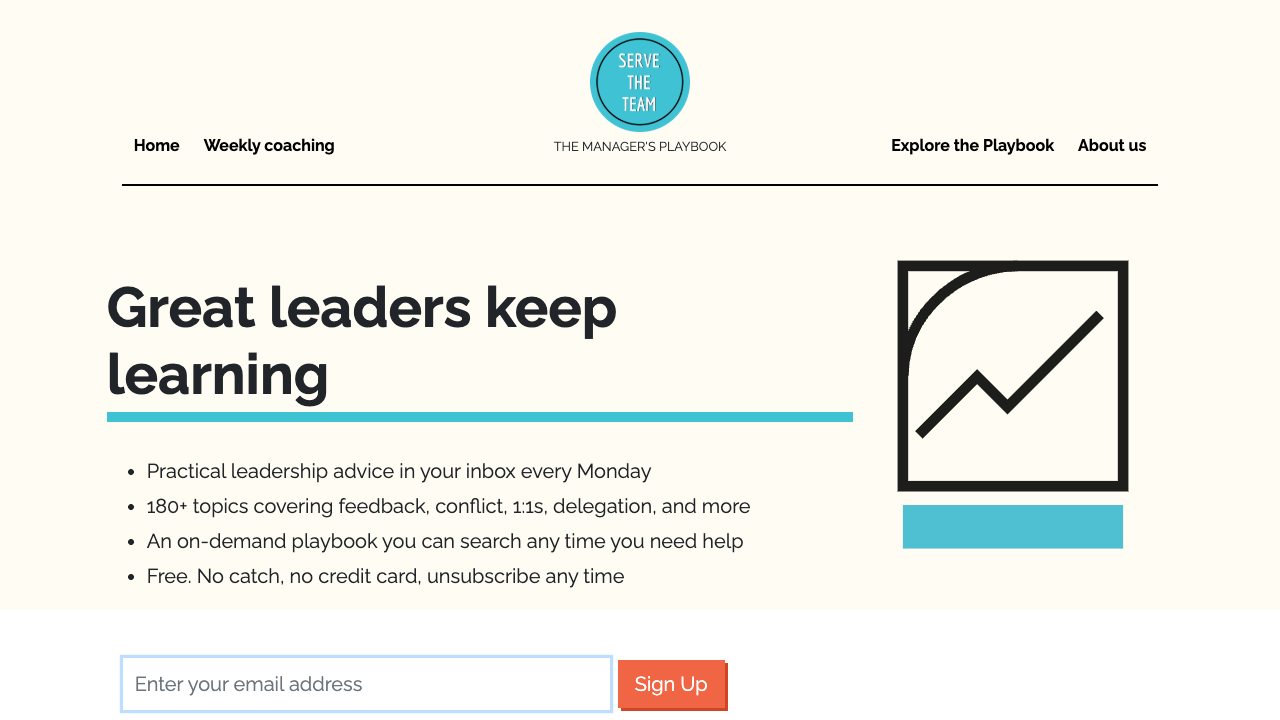
The same sign-up page after Claude’s critique and improvement work
The problems Claude helped me with aren’t just side project problems. If you’ve ever had a project at work that couldn’t get off the ground because you didn’t have the right skills on the team, or couldn’t justify the cost of getting started, that calculation has changed. AI doesn’t just make existing work faster: it makes work possible that previously failed the cost-benefit test.
Dust off that side project you’ve been sitting on; go and review your project backlog and have another go at your cost-benefit calculations. You might find things are more viable than you thought.
Comments